 From Tony Phillips, Director, Real LIfe Trust
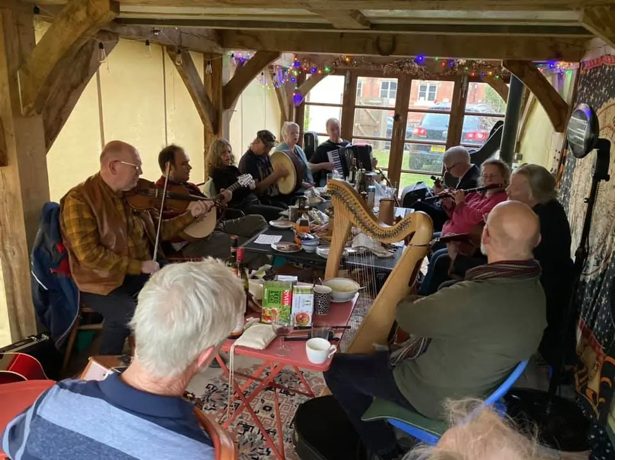
People involved in the Rolling On Project are visiting all the acoustic music sessions and venues in the UK they can find over the next few years for a book and film celebrating the movement we are all part of and checking out the health of community based folk-roots music making in the UK.
(Editor - The first two chapters of the book have now been written and we have agreed to include them as they are written on our website)
Chapter One
They say that folk music is in the blood whereas I know for sure that in my case its mainly in the beer. As I wait to go on stage in the grand final, all I can think of is that is was probably a mistake to have that third pint and dry roasted peanuts are probably not what singers at La Scala tuck into before they give it large on the Puccini. But then thats folk music for you. Ordinary people sharing everyday music. The voice of the people. Sharing rather than performance. Talent optional. Or, depending on your personal stance, thats just a description of bad folk music performed by mediocre musicians who don’t practice enough and have no understanding and less interest in the complexities and standards inherent in the folk tradition.
My own introduction to the folk world occured in the early 1970’s as long haired, split-knee loon wearing teenager tripping over to Hoddesden to catch the old boys in the pub singing dido, bendigo, gentry he was there O and the larks they sang melodious. Strung out on Lord of the Rings, Pink Floyd and the Incredible String Band, my dry soul soaked up the music, my brain letting me know that here was the bardic tradition still alive and kicking in an unbroken line reaching back to the dark ages and beyond, Now that I am grey bearded and old codger-like myself, I realise that these guys were really just blokes learning songs off the radio, cassette tapes or LP’s and it was my role as the younger generation to add the mythology that they were the real deal and I was a green and sappy incomer. I know this for certain because over the years, a number of our younger session members assume I was around at the beginning of the folk revival, asking what it was like and its only when I point out that I was still getting the hang of potty training when Ewan McColl was doing his stuff that they realise that being an old bloke is as much a state of mind as a chronological fact.
This brings me on to key issue no. 1 – the never ending saga called ‘The Death of Folk Music’. Ever since I can remember going to folk clubs and sessions, there has been a predominance of grey haired people of a certain age. When I look at pictures of folk club audiences from the 50’s and 60’s I see oodles of people looking like they have just taken a day off school. These people are now the grey haired brigade. But wait. A more detailed forensic review of the evidence shows clear signs of the grey hairs hanging out in the background or hiding behind the youngsters or even more likely, just out of shot getting another pint or popping out (again) for a leak.
I was young once, at least according to the photo album and I see young people all over the place at festivals, open mics, sessions and clubs but have to agree that the picture is patchy depending on where you go. So far on my travels round the sessions and singarounds, I can say with the researchers clipboard in hand that the average age of the punters is late 40’s plus. On the other hand, at our own sessions I can cite the case of exhibit A (Alice) who first started coming aged 10 and exhibit B, Blaise (more about him later), aged 15. A quick glance over my web based research files reveals that young folkies are to be found all over the UK in great numbers with a widespread but localised distribution.
My friend Cath who co-wrote the Rolling On song is a professional moth-botherer and tells me that it’s quite normal to send out a message to moth-botherers everywhere to record moth numbers and species in their own area followed up by a reporting session back to moth HQ. I suggest we do the same for young folkies and send the results, with details of species and habits, back to Rolling On HQ for analysis. To help you in your task, here is a list of the better known young folkie types:
The Lesser Spotted teenager: in the sense of being spotted hanging out with their folkie parents less and less at festivals as they get old enough to sneak off without a causing major panic and multiple announcements on the PA.
The Dalai-Lama: here’s where Blaise (remember him?) comes to mind. Writing and performing songs that sound like Pete Hammil or Leornard Cohen originals in 2015 when you are all of 15 is direct evidence of folkie reincarnation.
The Folk Mozart: mind-boggling multi-instrumenalists capable of playing 250 tunes at the drop of a hat with the ambition to know 2000 by the time they are 20. Scottish uber-professional folkie (and personal favourite of mine even though I don’t know a word of the Gaelic) Julie Fowlis says she has set a goal of knowing 500 songs by the time she is 50, by way of comparison.
The No-Beardie-Weirdie: young they may be but in every way including poor dress sense, love of good beer and a natural ability to sing like a moose with a sore throat, they are indistinguishable from the old lags, especially in dim lighting in a crowded pub after a few pints.
Do send in in your sightings of any of the above and include details of new species to add to the list.
Hospitality. That’s what it’s all about. That’s why people feel welcome. That’s why they come back. Works the same however old you are. Lilly came in with the family to our session recently. All of 6 years old. When we asked her if she had a song for us she said ‘No, but I can do a dance instead’…and did. How cool was that? The reverse is true too. For those of you who may be taking your first tentative steps into the world of sessions and singarounds, a word to the wise. So that it doesn’t come as a bit of a shock and puts you off ever going out again, here’s a couple of things to be prepared for.
1. Some (rare) sessions are set by Papal Decree that means only Irish tunes can be played. As Tarzan might say: You audience; me somewhere up the sharp end of folk muso autism
2. Some (rare) sessions are ruled by pretend-protestant Henry VIII’s Church of England’s Book of Common Bollocks that mean only English tunes may be played. Facing 47 melodeon players pumping out Shepherds Hey for the first time can be deeply disturbing.
This brings me back nicely to the scene I described way back in the opening paragraph. Here I am about to go on stage in the grand final of the Milkmaid Songwriting Competition. I am about to perform two songs one of which is my offical entry. Now, I am much happier sharing than performing. Let me explain. Performing a song is what you tend to have to do when someone sticks a microphone in your face and you enter into a contract with the audience to entertain them for which they agree to pay attention and either applaud at the end or throw a bottle or two. Sharing a song is what you do when you are sitting in a cosy pub and the rule of going round clockwise means it’s now your turn. Tis true enough that I have done plenty of performing in the past 40 years but I have always done it on the basis of imagining myself to be back in the pub, sharing a song or two with a mate or three over a pint or four. This works well if there are 200 people in the audience or just 2. Some people are in love with performing for it’s own sake but I am not one of them.
The last 10 years or so has seen a huge increase in performance-focused music making for which a lot of the blame can be placed on tacky TV shows like the X Factor and Britain’s Got Talent but Open Mics have got a lot to answer for as well. Here’s the thing – I would sell my granny into slavery (only if she was willing of course, she’s a tough old bird) for the principle that anyone is welcome to have a go at sharing a song or a tune in a pub session, whether or not they have a morsel of talent. What I wouldn’t offer my Nan for sale for though is the right of a person without a morsel of talent to share a song LOUDLY down a microphone. Sharing equals anything goes. Performing equals a careful balance between talent and practice.
So there I was, about to put myself yet again to the test of whether I have sufficient talent and have put in enough hours donkey work to entertain the audiences and the competition judges enough to get an honorable mention. If you have seen the website that goes along with this book you will know already that I got the first prize for ‘Rolling On’, the song we wrote in our own little pub telling the story of session singers and players down the ages. And yet…there I was, a living example of the sharing-performing paradigm. Think I need another pint while I chat it all over for the millionth time with the rest of the folk world.
Read more: Rolling on Project


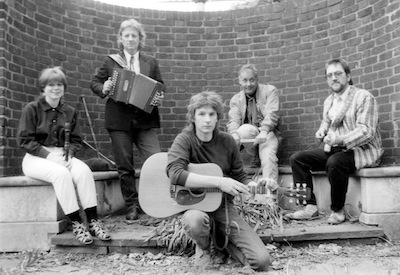 Bass Instincts 1984 at Cecil Sharp House
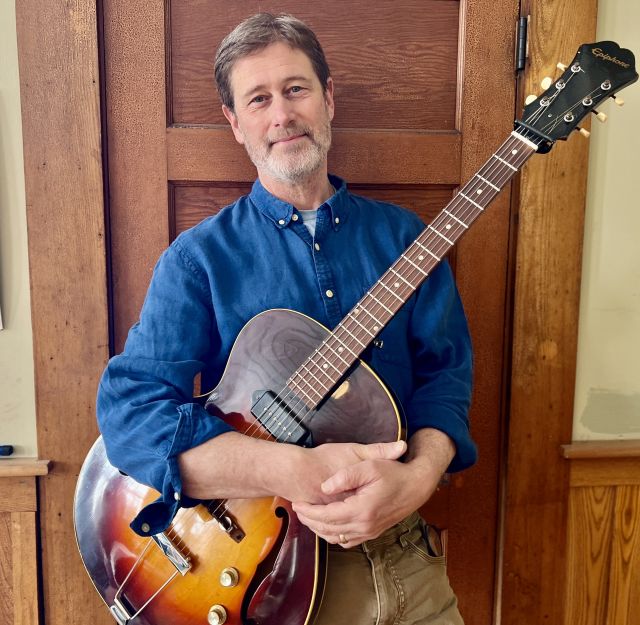
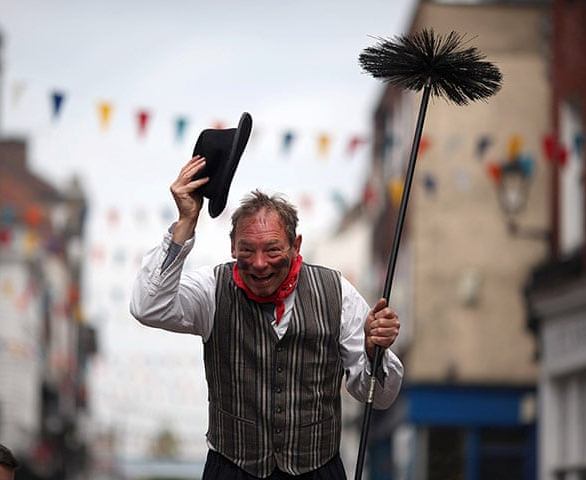
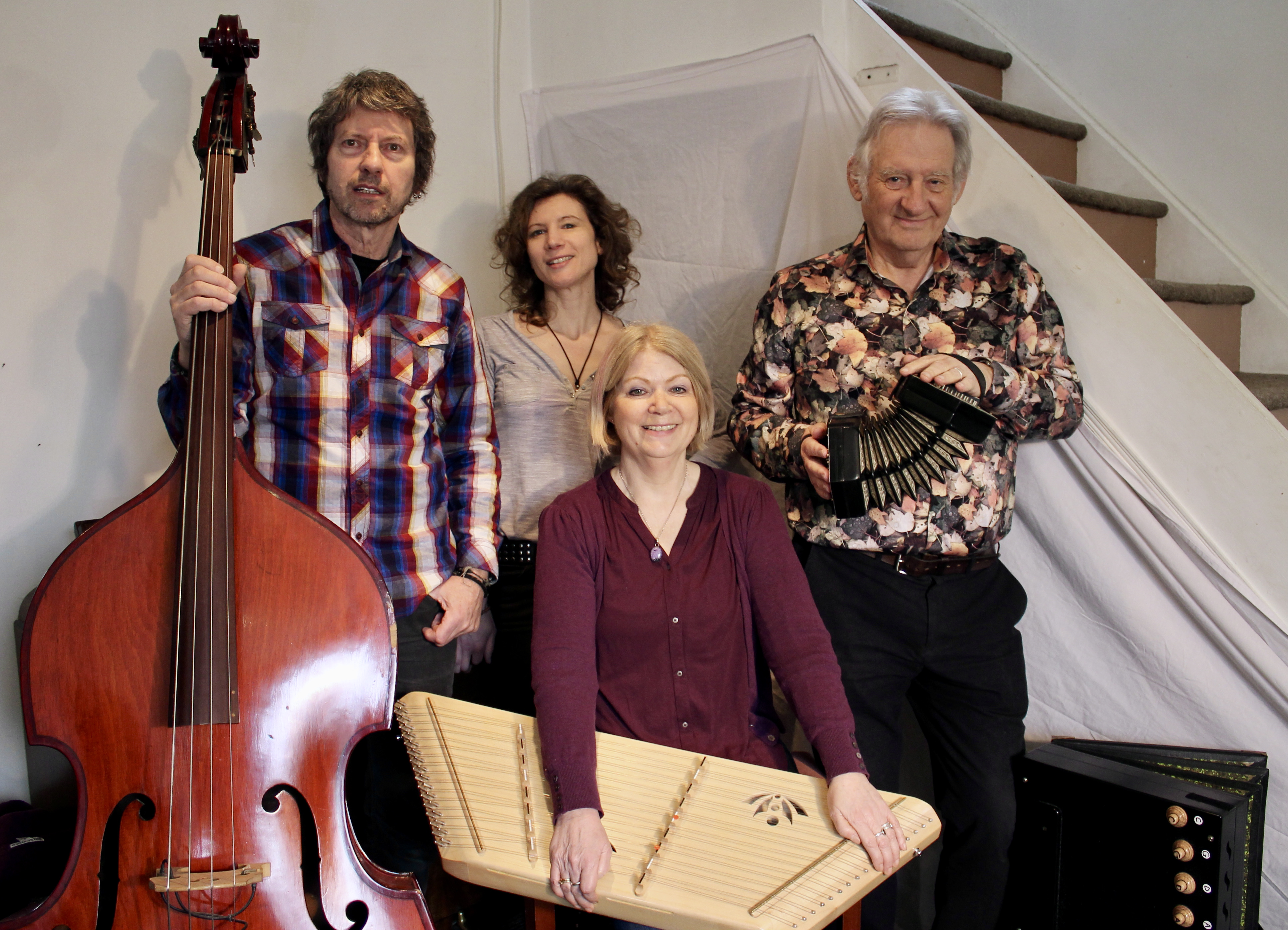 If you keep an eye on the Mardles Events list you may have noticed that between June and October there are six events listed as Blake Morrison and The Hosepipe Band in a whole variety of venues in our area including the Electric Palace in Harwich, Dunwich Museum, Wingfield Barns, and John Mills Theatre, Ipswich.
 This would be great piece to put to music, I thought, so in a burst of enthusiasm, I contacted Blake Morrison and asked what he thought about having this poem set to music. Blake’s reply was positive, so we set to work and Cara Bruns composed a beautiful piano piece to accompany the Ballad. I then realised that there were several other of Blake’s poems featuring aspects of the Suffolk coast: Covehithe, Flotsam and Dunwich. By choosing four poems to accompany, we could compose a broader range of music. We made a recording with me reading the poems accompanied by our music, then sent Blake a copy of the CD. He liked what we’d done and said it’d be good if we could perhaps perform the work live. We had envisaged doing this but weren’t sure how or where we might do it. When I said it would be difficult for me to read the poems at the same time as playing the music, Blake offered to be the reader. We soon reckoned that a live performance would have to last at least an hour, so we set about choosing more poems and composing more music. The result is that we now have recordings of Blake reading twelve of his poems, mostly related to East Suffolk, accompanied by our music. By the time we start our summer performances we will have produced a complete recording.
  ‘Simply Brilliant’ - The Sunday Express